二人分
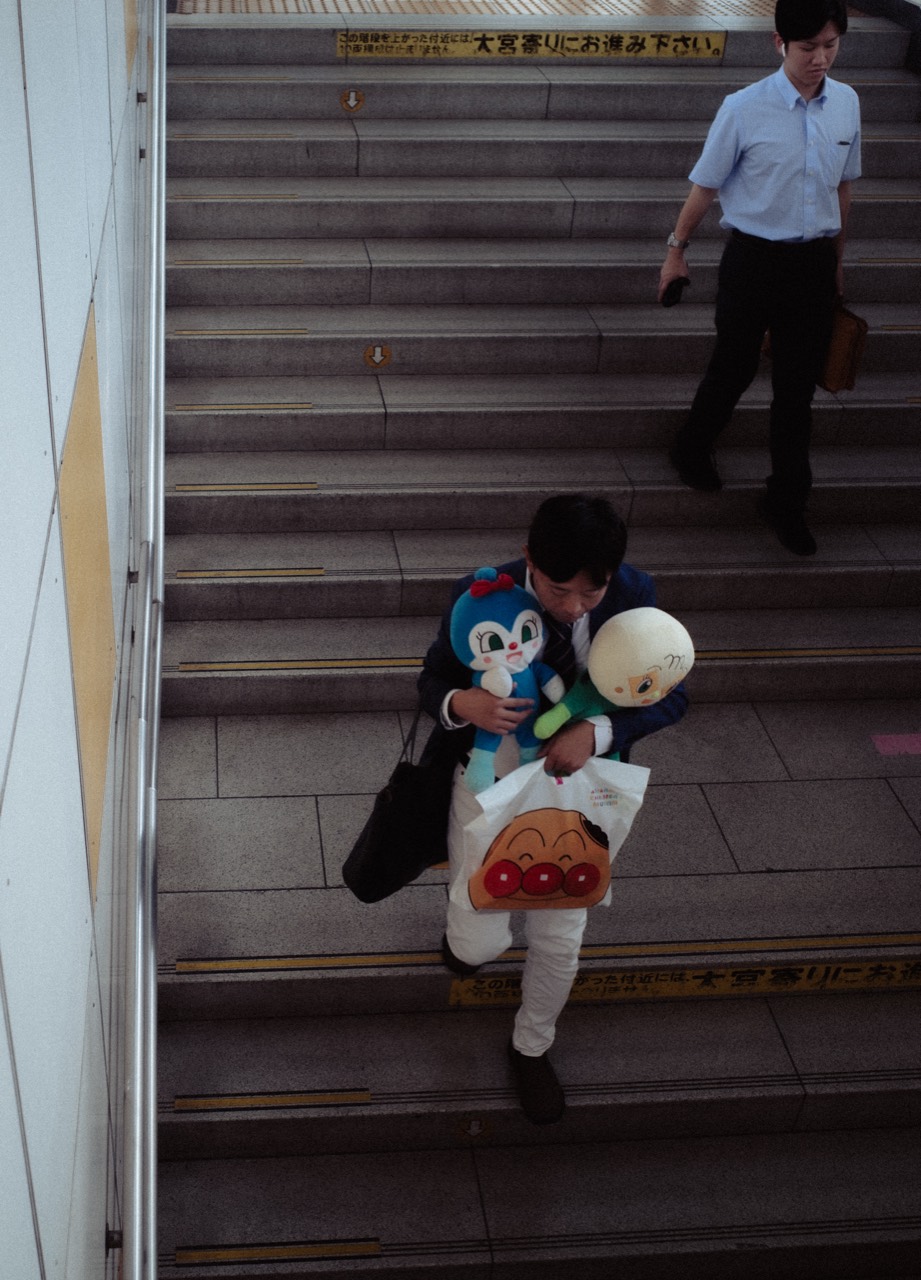
Photo Stories
二人分
For Two
Japanese
遺品整理の現場では、持ち帰ってはいけないものが三つある。
現金、貴金属、それから感情。
三つ目は会社の規則には書かれていない。けれど、一番厳しく守らなければ仕事は続かない。
その日の依頼人は、亡くなった女性の弟だった。姉とは二十年以上会っていなかったという。冷蔵庫も、衣類も、食器も、確認せずに処分を指示した。
「写真も要りません。全部お願いします」
六十二歳の一人暮らし。結婚歴なし。部屋には来客用の椅子が一脚もなかった。
押入れの上段に、青と白のぬいぐるみが並んでいた。大きさの割に汚れがなく、首にはそれぞれ紙の札が結ばれていた。
青いほうには「火曜日」。
白いほうには「金曜日」。
意味は分からなかった。
捨てる袋へ入れようとしたとき、同僚が札の裏に住所を見つけた。雑居ビルの名前と、地下二階。調べると、歌舞伎町の小さなスナックだった。
仕事が終わったあと、彼は二体を抱えて電車に乗った。会社には報告しなかった。善意ではない。ただ、意味の分からないものを、そのまま粉砕機に入れるのが気持ち悪かった。
店はまだ開いていなかった。階段の下で待っていると、七十歳ほどの女が現れた。ぬいぐるみを見るなり、鍵を持った手を止めた。
「とうとう来なくなったと思ったら」
女は泣かなかった。
火曜日と金曜日、亡くなった女性は一体ずつ抱えて店に来たらしい。酒は飲まず、二席分の料金を払い、二時間ほど歌を聴いて帰った。
「この子たちの席だからって、人を座らせなかったのよ」
彼は二体を渡そうとした。
女は首を振った。
「ここには置けない。あの人がいないなら、ただのぬいぐるみでしょう」
彼は何も言えなかった。
帰りの階段で、二体は来たときより重くなっていた。
駅のごみ箱には入らなかった。
会社へ戻せば、理由を聞かれる。
彼はそのまま終電に乗った。
火曜日でも金曜日でもない夜に、二人分の席を取って。
English
When clearing out the home of someone who has died, there are three things you must never take home.
Cash, jewelry, and emotion.
The third is not written in the company rules. But unless it is observed more strictly than the others, no one lasts in this line of work.
The client that day was the younger brother of the woman who had died. He said he had not seen his sister in more than twenty years. The refrigerator, her clothes, the dishes—he instructed them to dispose of everything without checking.
“I don’t need the photographs either. Please take care of all of it.”
Sixty-two years old, living alone. Never married. There was not a single chair in the room for a visitor.
On the upper shelf of the closet, blue and white stuffed animals sat side by side. They were unusually clean for their size, and each had a paper tag tied around its neck.
The blue one said “Tuesday.”
The white one said “Friday.”
He did not know what it meant.
As he was about to put them into a disposal bag, his coworker found an address on the backs of the tags: the name of a multi-tenant building and Basement Level Two. They looked it up. It was a small snack bar in Kabukicho.
After work, he carried the two of them onto a train. He did not report it to the company. It was not an act of kindness. He simply could not stand the thought of feeding something he did not understand straight into the crusher.
The bar was not open yet. As he waited at the foot of the stairs, a woman of about seventy appeared. The moment she saw the stuffed animals, the hand holding her keys stopped.
“So she finally stopped coming.”
The woman did not cry.
On Tuesdays and Fridays, the dead woman had apparently come to the bar carrying one of them. She never drank. She paid for two seats, listened to the singing for about two hours, and went home.
“She said the seats belonged to these two. She wouldn’t let anyone else sit there.”
He tried to hand them over.
The woman shook her head.
“I can’t keep them here. Without her, they’re only stuffed animals, aren’t they?”
He could not think of anything to say.
On the stairs back up, the two felt heavier than when he had arrived.
They would not fit into the station trash bin.
If he took them back to the company, someone would ask why.
So he boarded the last train with them still in his arms.
On a night that was neither Tuesday nor Friday, taking up seats for two.

緑の点灯
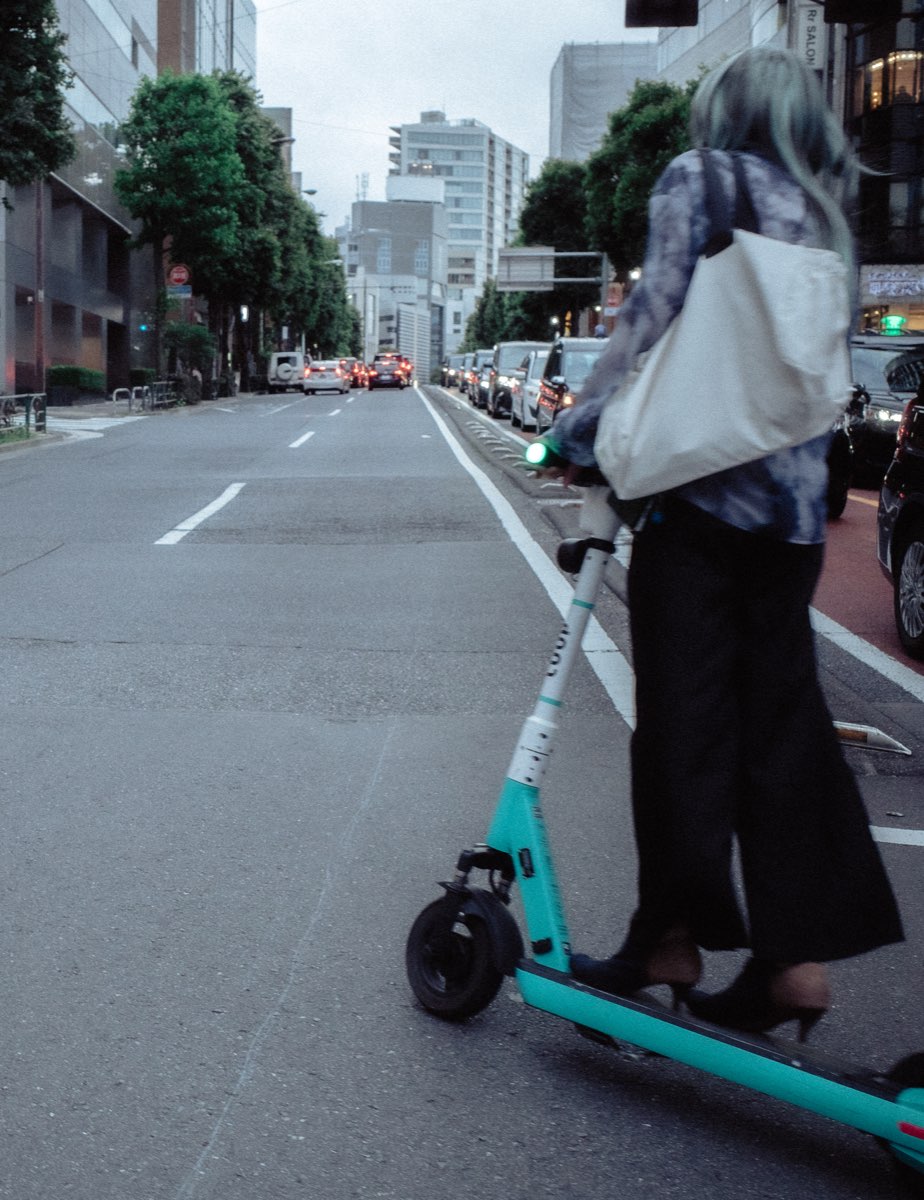
Photo Stories
緑の点灯
Green Light
Japanese
会社を出たとき、まだ空は少し明るかった。
それがかえって嫌だった。夜なら、疲れていることを街のせいにできる。けれどこの時間の東京は、まだ誰かに期待されているような顔をしている。
彼女は駅へ向かう途中で、歩くのをやめた。歩きたくない、というより、歩いて帰る自分をこれ以上続けたくなかった。白いバッグの中には、会社のノートパソコンと、開けていないコンビニのサラダと、母から届いたLINEが入っている。
「来月で三十だね。無理しすぎないでね」
無理をしているつもりはなかった。ただ、無理をしていないと説明するために、毎日少しずつ無理を重ねていた。
広告制作会社に入って七年目になる。肩書きはプランナーだが、実際には上司の思いつきを資料にして、クライアントの曖昧な不満を議事録にして、若い後輩の泣きそうな顔を見ないふりをする仕事だった。今日も後輩が一人、トイレから戻ってこなかった。彼女はチャットに「大丈夫?」と打ち、送信しないまま消した。大丈夫ではない人に大丈夫かと聞くのは、ほとんど暴力だと思ったからだ。
歩道の端にLuupがあった。緑色の車体が、誰かに使われたあと、また別の誰かを待っていた。アプリを開き、ロックを解除すると、小さなライトが点いた。許可されたみたいだった。どこへ行く許可なのかは分からない。
片足で地面を蹴る。ヒールが板の上で少し滑る。車道の端に出ると、停まっているタクシーの窓に自分が映った。髪は乱れていて、顔は仕事中よりも老けて見えた。けれど、その顔を見て少し安心した。ちゃんと疲れている。まだ壊れていないふりをする余地がある。
スマートフォンが震えた。上司からだった。
「さっきの件、今日中に一度見せてもらえますか」
信号は赤だった。彼女は画面を見つめ、「承知しました」と入力した。親指が送信ボタンの上で止まる。青になる。後ろの車が小さくエンジン音を立てる。
彼女は送らなかった。
その代わり、アクセルを押した。
たった数メートル進んだだけで、逃げたとは言えない。辞めたわけでも、怒ったわけでも、人生を変えたわけでもない。
ただその夜、彼女は初めて、真面目な自分を道路の端に少しだけ置き忘れた。
English
The sky was still a little bright when she left the office.
That only made it worse. At night, she could blame the city for her exhaustion. But at this hour, Tokyo still wore the expression of a place expecting something from her.
On her way to the station, she stopped walking. It was not so much that she did not want to walk as that she could no longer keep being the version of herself who walked home. In her white bag were her company laptop, an unopened convenience-store salad, and a LINE message from her mother.
“You turn thirty next month. Don’t push yourself too hard.”
She did not think she was pushing herself. She simply pushed herself a little more each day in order to explain that she was not.
It was her seventh year at an advertising production company. Her title was planner, but in practice her job was to turn her boss’s passing ideas into presentation decks, her clients’ vague dissatisfaction into meeting minutes, and pretend not to see the tears gathering in the eyes of younger colleagues. That day, one junior employee had gone to the restroom and never returned. She typed “Are you okay?” into the chat, then erased it without sending. Asking someone who was not okay whether they were okay felt almost like an act of violence.
At the edge of the pavement stood a Luup scooter. Its green frame, after being used by one person, waited for another. She opened the app and released the lock. A small light came on. It felt like permission. She did not know permission to go where.
She pushed off with one foot. Her heel slipped a little on the deck. As she moved out along the edge of the road, she saw herself reflected in the window of a parked taxi. Her hair was dishevelled, and her face looked older than it did at work. But the sight reassured her a little. She really was tired. There was still room to pretend she was not broken.
Her smartphone vibrated. It was her boss.
“Could I see what you have for that thing from earlier by the end of today?”
The light was red. She stared at the screen and typed, “Understood.” Her thumb hovered over Send. The light turned green. Behind her, a car’s engine gave a low murmur.
She did not send it.
Instead, she pressed the accelerator.
She had moved only a few metres—not enough to call it escape. She had not quit, or grown angry, or changed her life.
But that night, for the first time, she left a small part of her dutiful self behind at the edge of the road.
黒ホッピー
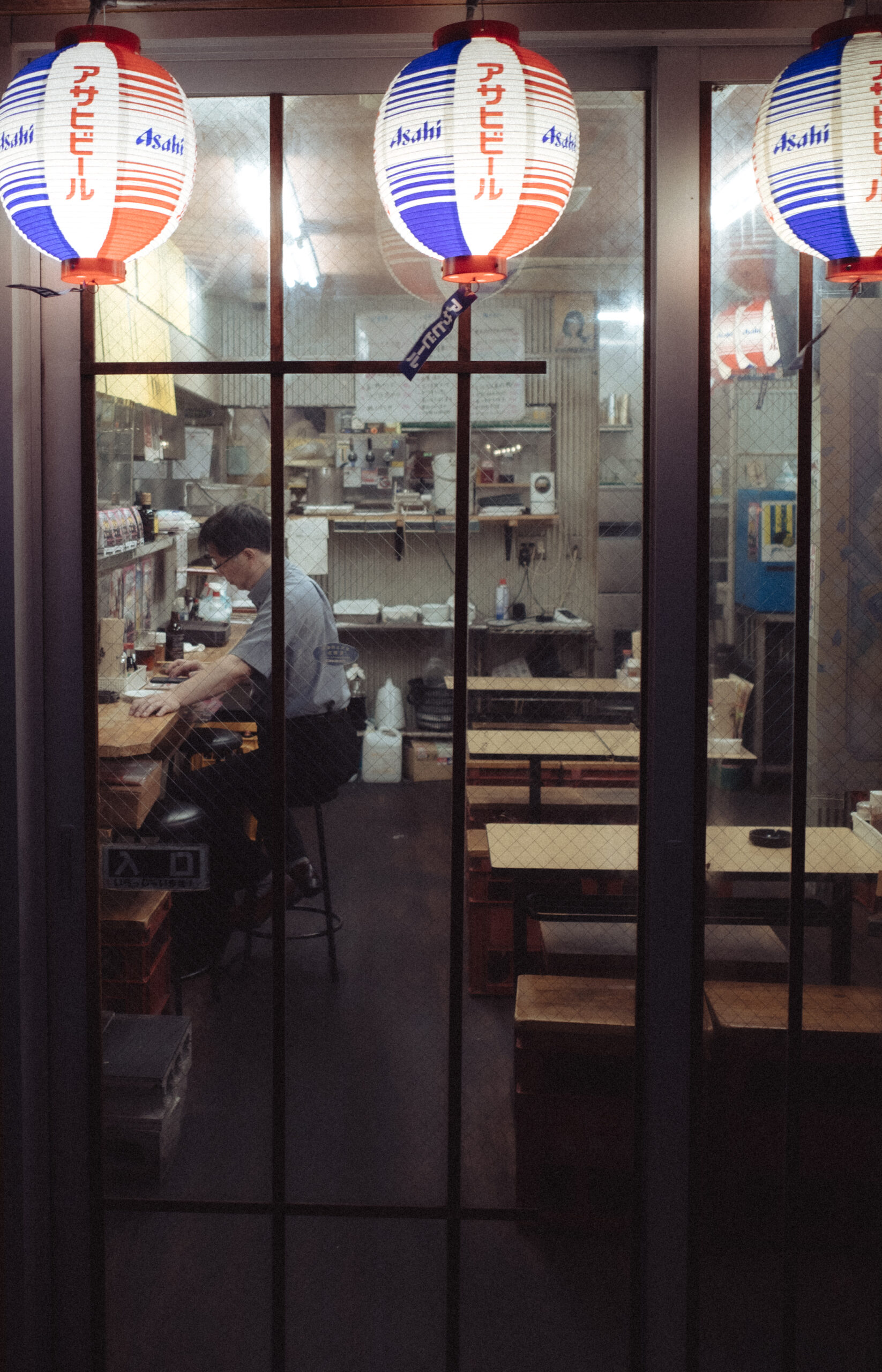
Photo Stories
黒ホッピー
Kuro Hoppy
Japanese
待ち合わせではなかった。少なくとも、相手はそう思っていない。
佐伯修一、五十四歳。業務用冷蔵庫の修理会社で二十八年働いている。コンビニのバックヤード、スーパーの精肉売場、町中華の厨房。人が物を冷やしておきたい場所には、だいたい彼の仕事がある。今日も午後から北千住の居酒屋で製氷機を直し、夕方に錦糸町の惣菜屋でショーケースの異音を見た。作業着の胸ポケットには、油で角の丸まった伝票が三枚入っている。
家には妻がいる。”いる”という言い方が正しい。会話はある。”米がない”、”電球が切れた”、”町内会費を払ったか”。その程度の会話なら、まだ夫婦として成立している。二十六歳の長男は川崎で派遣の仕事をしていて、盆と正月にだけ帰ってくる。二十二歳の娘、栞は三年前から家に寄りつかない。理由は、佐伯にも分かっていた。分かっていることほど、人は口に出せない。
彼はこの店に月に一度だけ来る。黒ホッピーを頼み、中を二回足し、焼きとんはカシラとシロを一本ずつ。誰かと飲むわけではない。ただ、入口の見える席に座る。誰かが入ってくるたびに、目を上げる。違うと分かると、伝票の裏にボールペンで冷蔵機の型番を書いたり二重線を引いて消したりする。
娘が二十歳になったとき、彼は一度だけメッセージを送った。
「酒が飲める年になったら、どこかで一杯やろう」
既読はつかなかった。それでも彼は、二年と少し、月に一度この店に来ている。待っているのではない。待つ資格がないことくらい知っている。ただ、もし偶然というものがあるなら、偶然見つけてもらうためには、どこかに座っていなければならない。
提灯の光がガラスに滲み、店の中を少しだけ祭りのように見せていた。佐伯は黒ホッピーを半分だけ残し、スマートフォンを裏返しに置いた。何も来ていないことを確認するのも、何か来ていることに気づかないふりをするのも、どちらも同じくらい面倒だった。
奥の席の若い男たちが笑った。奥のテレビでは野球中継が流れている。焼き台の煙が換気扇に吸い込まれ、誰かの注文したレバ刺し風の皿が運ばれていく。
佐伯はふと、自分が本当に待っているのは娘ではないのかもしれないと思った。娘が来ないことを確認するために、ここに来ているのかもしれない。今日も来なかった。だからまだ、自分は罰を受け続けている。そう思えば、明日も仕事に行ける。
彼は残った黒ホッピーを飲み干し、誰にも聞こえない声で「悪かったな」と言った。
その言葉は、暖簾にも、提灯にも、娘にも届かず、ただグラスの底に少しだけ残った。
English
There was no arrangement to meet. At least, not as far as the other person knew.
Shuichi Saeki, fifty-four. He has worked for a commercial refrigeration repair company for twenty-eight years. The back rooms of convenience stores, the meat counters of supermarkets, the kitchens of neighborhood Chinese restaurants. Wherever people need things kept cold, there is usually work for him. That afternoon, he repaired an ice machine at an izakaya in Kita-Senju; in the evening, he checked a display case making a strange noise at a prepared-food shop in Kinshicho. In the breast pocket of his work jacket are three service slips, their corners softened and rounded by grease.
His wife is at home. Is is the right word. They still talk. “We’re out of rice.” “The lightbulb’s burned out.” “Did you pay the neighborhood association dues?” Conversations of that sort are enough to keep them functioning as husband and wife. Their twenty-six-year-old son works a temp job in Kawasaki and comes home only at Obon and New Year. Their daughter, Shiori, is twenty-two and has stayed away from the house for three years. Saeki knew why. The things one understands are often the hardest to say aloud.
He comes to this place once a month, and only once. He orders a Kuro Hoppy, two shochu refills, and one skewer each of pork cheek and intestine. He is not drinking with anyone. He simply sits where he can see the entrance. Each time someone comes in, he looks up. When he sees it is someone else, he writes model numbers for refrigeration units on the backs of his service slips in ballpoint, then draws double lines through them.
When his daughter turned twenty, he sent her a message just once.
“Now that you’re old enough to drink, let’s have one somewhere.”
The message never showed as read. Even so, for a little over two years, he has come here once a month. He is not waiting. He knows he has no right to wait. But if there is such a thing as chance, then he has to be sitting somewhere for chance to find him.
The lantern light bled into the window glass, making the bar look, just slightly, like a festival. Saeki left his Kuro Hoppy half-finished and placed his smartphone facedown. Confirming that nothing had arrived, or pretending not to notice that something had—either seemed equally difficult.
The young men seated farther inside laughed. A baseball game played on the television at the back. Smoke from the grill was drawn into the exhaust fan, and a plate of liver prepared sashimi-style was carried past for someone.
It occurred to Saeki that perhaps his daughter was not really the one he was waiting for. Perhaps he came here to confirm that she would not come. She had not come today either. So his punishment was still continuing. If he thought of it that way, he could go to work again tomorrow.
He drained the rest of his Kuro Hoppy and said, too quietly for anyone to hear, “I’m sorry.”
The words reached neither the noren nor the lanterns nor his daughter. They lingered only faintly at the bottom of the glass.