Photo Stories
二人分
For Two
Japanese
遺品整理の現場では、持ち帰ってはいけないものが三つある。
現金、貴金属、それから感情。
三つ目は会社の規則には書かれていない。けれど、一番厳しく守らなければ仕事は続かない。
その日の依頼人は、亡くなった女性の弟だった。姉とは二十年以上会っていなかったという。冷蔵庫も、衣類も、食器も、確認せずに処分を指示した。
「写真も要りません。全部お願いします」
六十二歳の一人暮らし。結婚歴なし。部屋には来客用の椅子が一脚もなかった。
押入れの上段に、青と白のぬいぐるみが並んでいた。大きさの割に汚れがなく、首にはそれぞれ紙の札が結ばれていた。
青いほうには「火曜日」。
白いほうには「金曜日」。
意味は分からなかった。
捨てる袋へ入れようとしたとき、同僚が札の裏に住所を見つけた。雑居ビルの名前と、地下二階。調べると、歌舞伎町の小さなスナックだった。
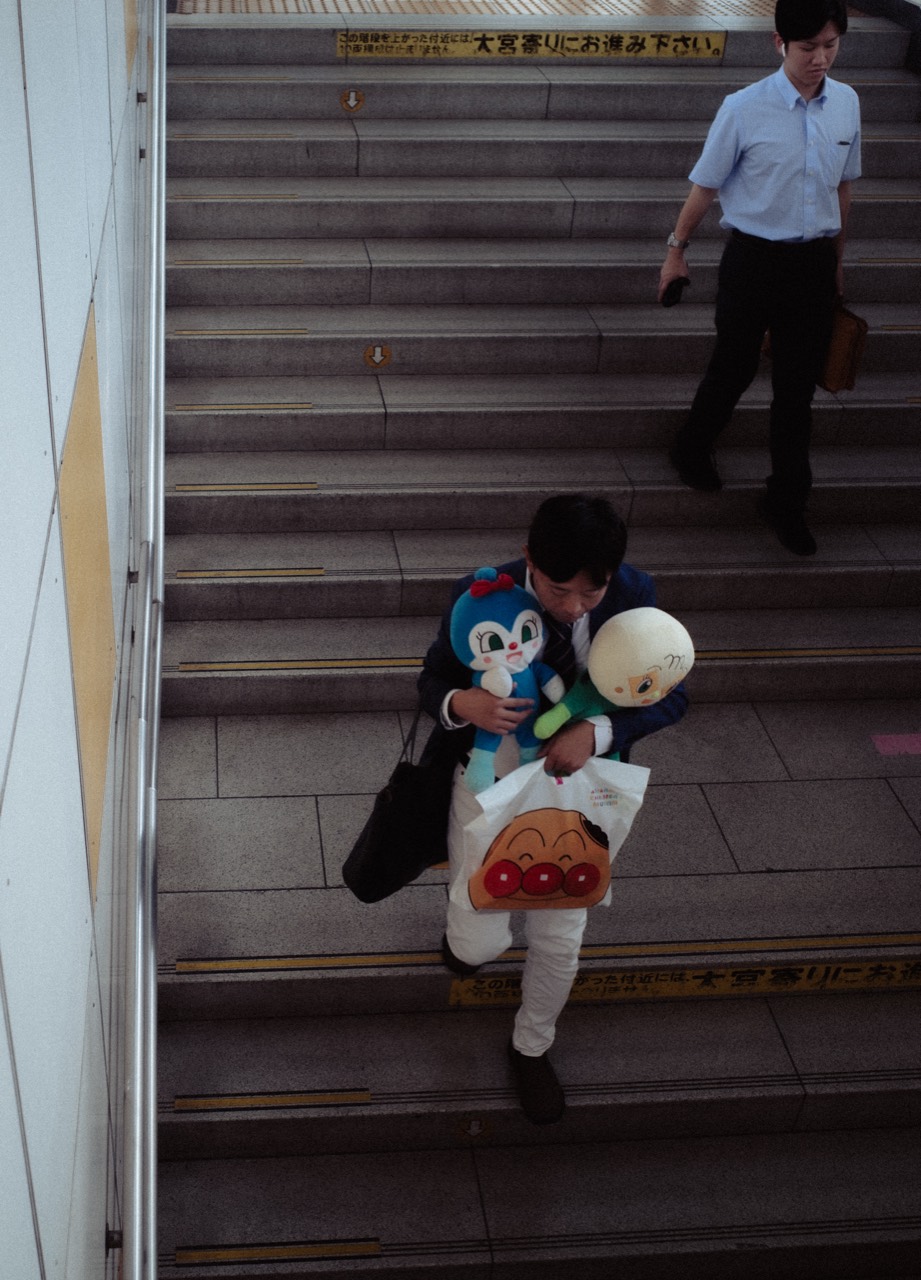
仕事が終わったあと、彼は二体を抱えて電車に乗った。会社には報告しなかった。善意ではない。ただ、意味の分からないものを、そのまま粉砕機に入れるのが気持ち悪かった。
店はまだ開いていなかった。階段の下で待っていると、七十歳ほどの女が現れた。ぬいぐるみを見るなり、鍵を持った手を止めた。
「とうとう来なくなったと思ったら」
女は泣かなかった。
火曜日と金曜日、亡くなった女性は一体ずつ抱えて店に来たらしい。酒は飲まず、二席分の料金を払い、二時間ほど歌を聴いて帰った。
「この子たちの席だからって、人を座らせなかったのよ」
彼は二体を渡そうとした。
女は首を振った。
「ここには置けない。あの人がいないなら、ただのぬいぐるみでしょう」
彼は何も言えなかった。
帰りの階段で、二体は来たときより重くなっていた。
駅のごみ箱には入らなかった。
会社へ戻せば、理由を聞かれる。
彼はそのまま終電に乗った。
火曜日でも金曜日でもない夜に、二人分の席を取って。
English
When clearing out the home of someone who has died, there are three things you must never take home.
Cash, jewelry, and emotion.
The third is not written in the company rules. But unless it is observed more strictly than the others, no one lasts in this line of work.
The client that day was the younger brother of the woman who had died. He said he had not seen his sister in more than twenty years. The refrigerator, her clothes, the dishes—he instructed them to dispose of everything without checking.
“I don’t need the photographs either. Please take care of all of it.”
Sixty-two years old, living alone. Never married. There was not a single chair in the room for a visitor.
On the upper shelf of the closet, blue and white stuffed animals sat side by side. They were unusually clean for their size, and each had a paper tag tied around its neck.
The blue one said “Tuesday.”
The white one said “Friday.”
He did not know what it meant.
As he was about to put them into a disposal bag, his coworker found an address on the backs of the tags: the name of a multi-tenant building and Basement Level Two. They looked it up. It was a small snack bar in Kabukicho.
After work, he carried the two of them onto a train. He did not report it to the company. It was not an act of kindness. He simply could not stand the thought of feeding something he did not understand straight into the crusher.
The bar was not open yet. As he waited at the foot of the stairs, a woman of about seventy appeared. The moment she saw the stuffed animals, the hand holding her keys stopped.
“So she finally stopped coming.”
The woman did not cry.
On Tuesdays and Fridays, the dead woman had apparently come to the bar carrying one of them. She never drank. She paid for two seats, listened to the singing for about two hours, and went home.
“She said the seats belonged to these two. She wouldn’t let anyone else sit there.”
He tried to hand them over.
The woman shook her head.
“I can’t keep them here. Without her, they’re only stuffed animals, aren’t they?”
He could not think of anything to say.
On the stairs back up, the two felt heavier than when he had arrived.
They would not fit into the station trash bin.
If he took them back to the company, someone would ask why.
So he boarded the last train with them still in his arms.
On a night that was neither Tuesday nor Friday, taking up seats for two.